Table of Contents
- 1. Structural Damage Assessment and Documentation
- 2. Plumbing System Checks to Prevent Water Damage
- 3. HVAC System Inspection and Winterization
- 4. Electrical Safety and Hazard Detection
- 5. Pest Control and Infestation Prevention
- 6. Security System Testing and Access Point Verification
- 7. Mold and Moisture Detection Protocols
- Frequently Asked Questions (FAQ)
1. Structural Damage Assessment and Documentation
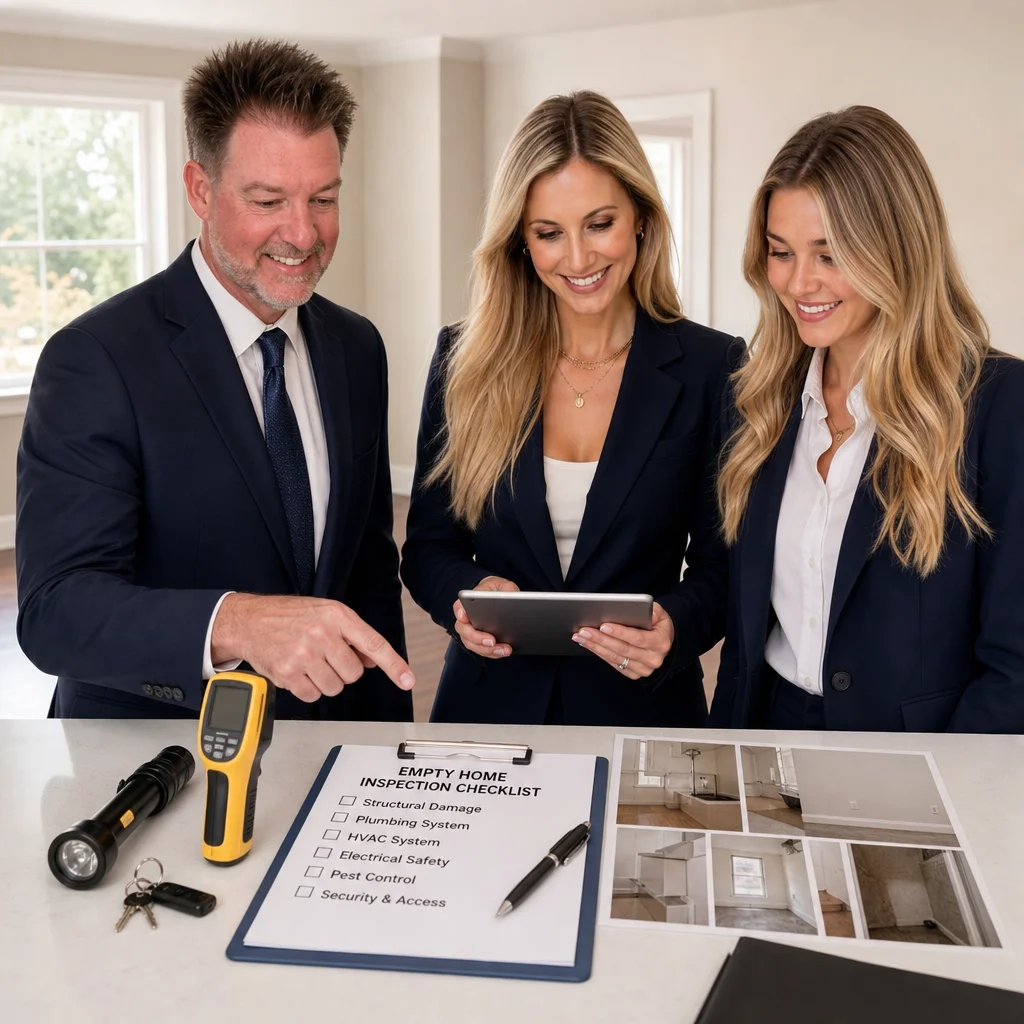
A vacant property is money sitting idle. Between tenants, during renovations, or while waiting for the right renter, an empty home faces unique risks that occupied properties simply don’t encounter. Water damage creeps in unnoticed. Pests establish colonies. Electrical systems degrade without anyone there to catch warning signs. The longer a home sits empty, the higher the chance that preventable problems become expensive repairs.
We’ve seen countless Orange County landlords lose thousands in avoidable damage because they didn’t establish a systematic inspection routine during vacancy periods. The good news: a structured inspection protocol catches these issues early and protects your investment. Here’s what every landlord needs to know about vacant home inspections.
Structural problems are silent and costly. A foundation crack that goes unnoticed for months can worsen dramatically. Roof leaks create cascading water damage. Exterior walls develop gaps that invite moisture and pests.
During a vacant home inspection, we focus on both interior and exterior structural elements. Look for cracks in foundation walls, settling or uneven floors, roof damage or missing shingles, and damaged or missing exterior caulk. Document everything photographically with timestamps and measurements. This documentation serves two purposes: it gives you a clear baseline for the property’s condition, and it protects you if tenants later claim pre-existing damage.
For Orange County properties, seasonal shifts in temperature and humidity can stress structural components. Photograph foundation walls, attic spaces, crawl spaces, and basement areas if applicable. Note any visible cracks and their dimensions. If you spot something serious, bring in a structural engineer rather than guessing.
What to do next: Schedule inspections quarterly during extended vacancy periods, and photograph any changes you notice compared to your baseline images.
2. Plumbing System Checks to Prevent Water Damage
Water damage ranks as the costliest claim landlords face. A small plumbing leak hidden behind a wall or under a sink can cause mold, rot, and structural compromise in weeks. In vacant homes, leaks often go undetected because no one is there to hear dripping or notice stains.
Our inspection approach includes checking for visible leaks under sinks and around toilets, testing all faucets and fixtures for proper function, inspecting exposed pipes for corrosion or damage, and looking at water stains on ceilings and walls that signal past or present leaks. If the property will be vacant through winter, we also drain outdoor faucets and ensure the main water shutoff valve is accessible and functioning.
Orange County’s water quality varies by region, and hard water can accelerate corrosion in older properties. If your rental is more than 15 years old, pay special attention to pipe condition. Galvanized pipes are particularly prone to decay and may be nearing failure.
What to do next: Locate your main water shutoff valve, test it monthly during vacancy, and document its location in case an emergency occurs when you’re not on-site.
3. HVAC System Inspection and Winterization
An idle HVAC system deteriorates faster than one in regular use. The air conditioning compressor can seize if not run periodically. Furnace heat exchangers corrode. Ducts accumulate dust and debris that eventually clogs filters.
We inspect all HVAC components, including the thermostat, filters, outdoor condenser unit, and visible ductwork. For vacant properties, we recommend running the system briefly every month to keep components moving and seals from drying out. Replace filters before vacancy begins, and check them during each inspection.
If your property will be vacant during cooler months, winterization is critical. This means insulating exposed pipes, draining the system if necessary, and ensuring the thermostat won’t allow freezing conditions inside. Even a single freeze cycle can rupture pipes and cost thousands.
What to do next: Set a calendar reminder to run your HVAC system for 15 minutes monthly during vacancy periods, and change filters before the property sits empty.
4. Electrical Safety and Hazard Detection
Electrical problems don’t announce themselves until they cause fire or injury. Faulty wiring, overloaded circuits, and corroded connections are invisible dangers that worsen over time. Vacant homes with no one to notice a warm outlet or sparking fixture are especially vulnerable.
During inspection, we check all accessible outlets for damage, test ground fault circuit interrupter (GFCI) outlets where present, inspect the electrical panel for signs of overheating or corrosion, and look for any visible damaged wiring. We also verify that the main breaker is properly labeled and accessible.
If your property has older cloth-wrapped wiring or knob-and-tube electrical systems, prioritize a full inspection by a licensed electrician. These systems pose genuine fire risks. Turn off power to all non-essential circuits before vacancy to reduce fire hazard and keep the electrical panel cooler.
What to do next: Have a licensed electrician inspect the panel and main systems if the property is more than 30 years old or shows signs of deterioration.
5. Pest Control and Infestation Prevention
Vacant homes are pest magnets. Without regular activity and cleaning, rodents establish nests, insects multiply, and infestations can become severe in just weeks. We’ve handled situations where a three-month vacancy turned into a complete rodent colony requiring professional extermination.

Our inspection protocol involves checking for droppings, dead insects, entry points (gaps around pipes, cracks in foundation, openings near roof lines), food debris or gnaw marks, and cobwebs or nests. Seal any gaps larger than one-quarter inch. Remove trash, food packaging, and any attractants. Ensure doors and windows close properly and weatherstripping is intact.
Consider scheduling a preventative pest treatment before vacancy begins. This is much cheaper than treating an active infestation afterward. Focus on entry points and the perimeter rather than treating the interior unnecessarily.
What to do next: Seal all visible cracks and gaps on the exterior, remove debris from gutters and downspouts, and keep the property clean during vacancy to avoid attracting pests.
6. Security System Testing and Access Point Verification
A vacant property is a target for trespassers, vandals, and thieves. Security systems that aren’t tested regularly fail silently. Doors that seemed fine when last checked now stick or have loose locks. Windows that were sealed now rattle freely. Entry points deteriorate without regular verification.
We test all door and window locks, ensure security system sensors are functioning and batteries are fresh, verify that motion-sensor lights work properly, check for any broken glass or damaged frames, and document all entry points. If your property has exterior cameras, test their operation and storage capacity.
If the property will be vacant long-term, professional vacant home inspections should include verification that all doors lock securely and the perimeter is intact. Consider upgrading to smart locks that let you control access remotely without physically going to the property.
What to do next: Test the security system yourself, document that all door and window locks function properly, and consider installing a remote monitoring system if the property will be vacant beyond 30 days.
7. Mold and Moisture Detection Protocols
Mold thrives in moisture and darkness, which describes most vacant homes perfectly. Once mold establishes itself behind walls or in attic spaces, removal becomes expensive and involves professional remediation. Orange County’s coastal climate means humidity can spike quickly if ventilation isn’t maintained.
Our inspection includes checking for visible mold, musty odors, water stains, and excess humidity. We measure humidity levels and recommend ventilation adjustments if levels exceed 60%. Check crawl spaces, attics, and basement areas especially carefully. Use a moisture meter if you have access to one; readings above 20% indicate excessive moisture.
Prevent mold by maintaining air circulation even during vacancy. Open interior doors to allow air to flow between rooms. If the property has a basement or crawl space, consider a portable dehumidifier. Ensure gutters are clean so water drains away from the foundation rather than pooling near the structure.
What to do next: Check humidity levels with a basic meter during each inspection, and run bathroom exhaust fans or the HVAC system periodically to maintain air circulation.

Why Structured Inspections Matter for Your Bottom Line
Vacancies don’t last forever, but damage sustained during vacancy absolutely affects your rental income and property value. A single water leak can drop a property’s appeal and command lower rent. Pest infestations delay move-in dates. Electrical hazards create liability if someone is injured on your property.
We’ve built our standardized vacant inspections process around these seven core areas because they address the most common and costly damage we see. Rather than hoping nothing goes wrong, a systematic approach catches problems early when they’re still manageable.
At True Property Management, we handle vacant home inspections as part of our comprehensive management service, ensuring your Orange County rental is protected from the moment tenancy ends until the next one begins. We document every finding, provide photo evidence, and coordinate repairs before small problems become expensive disasters. Our flat-fee model means you know exactly what you’re paying, with no surprise costs when we discover issues.
If you’re managing vacant properties, let us take the worry out of inspection scheduling and documentation. We’ll keep your investment safe while you focus on what matters.
For further reading: Standardized vacant inspections, Professional vacant home inspections.
Contact Us Today And Schedule Your Free Rent Review and Consultation at 949-688-7705
Frequently Asked Questions (FAQ)
How often should we inspect our vacant rental property in Orange County?
We recommend conducting a comprehensive inspection every 30 days while your property sits vacant. This frequency allows us to catch water leaks, pest activity, and structural issues before they become expensive problems. Between inspections, we can also perform quick walkthrough checks to monitor security and detect any signs of break-ins.
What’s the most common issue we find during vacant property inspections?
Water damage tops our list of findings during vacant home inspections. When properties sit empty, small plumbing leaks go undetected for weeks, and HVAC condensation lines can back up without regular monitoring. We’ve learned that catching these problems early through scheduled inspections saves our clients tens of thousands in remediation costs.
Does our flat-fee model include vacant property inspection services?
We include regular vacancy inspections as part of our comprehensive property management services. Our vetted maintenance vendor network handles the structural assessments, plumbing checks, pest detection, and mold protocols outlined in our inspection protocols. We’ll provide you with detailed documentation and real-time updates so you always know your property’s condition.