Table of Contents
- Why Vacant Property Inspections Matter for Your Bottom Line
- The Hidden Costs of Inconsistent Inspection Practices
- What a Standardized Inspection Process Should Include
- How We Streamline Vacant Home Documentation
- Real-Time Reporting That Keeps You Informed
- Protecting Your Investment During Vacancy Periods
- Reducing Liability Through Comprehensive Inspection Records
- Integration with Our Flat-Fee Management Model
- Technology-Driven Inspection Tracking and Accessibility
- Getting Started with Our Inspection Standards
- Frequently Asked Questions (FAQ)
Why Vacant Property Inspections Matter for Your Bottom Line
A vacant property sits in a state of vulnerability. Without someone living there, damage can escalate quickly and go unnoticed for weeks or months. Water leaks become structural problems. Small pest issues become infestations. Vandalism or unauthorized entry happens more easily when no one’s home to deter it.
This is why standardized vacant home inspections directly impact your profitability. When we catch problems early through consistent inspections, we prevent expensive repairs that would eat into your returns. A $200 inspection that identifies a roof leak before it causes $5,000 in water damage is the difference between a thriving investment and a financial drain.
Beyond damage prevention, regular inspections create documentation that protects you. Insurance companies and potential lenders want to see that you’ve maintained the property responsibly during vacancy. This record becomes valuable proof of diligent ownership.
Your action: Schedule inspections at regular intervals (we recommend weekly to bi-weekly for vacant units) and keep detailed records of each visit. This single habit changes how much money stays in your pocket at year-end.
The Hidden Costs of Inconsistent Inspection Practices
Many landlords skip inspections to save money, or they inspect sporadically without following a checklist. This approach creates blind spots that cost thousands in the long run.
Without consistency, you miss patterns. One landlord might notice water staining in the corner of a bedroom during a random walk-through but never return to check if it’s spreading. Months later, mold has colonized the entire wall. Another property owner might inspect after tenant move-out, spot foundation cracks, but then assume they’re old and not monitor them. The cracks worsen, liability grows.
Inconsistent documentation creates another problem: you can’t defend yourself if disputes arise. If a tenant claims damages existed before move-in or if insurance denies a claim, you need timestamped photos and detailed notes from regular inspections. Sporadic inspections leave gaps in your evidence.
There’s also the tenant turnover cost angle. Properties that sit vacant longer due to undetected damage take longer to re-rent. Each month of vacancy is lost rental income, plus you’re still paying property taxes, insurance, and utilities. What started as a cost-cutting measure ends up doubling your actual expenses.
Your action: Implement a simple weekly inspection schedule with a consistent checklist. The time investment pays for itself the first time you catch a problem before it escalates.
What a Standardized Inspection Process Should Include
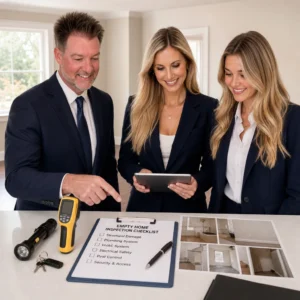
A solid vacant property inspection checklist covers the areas where problems hide most often. Here’s what matters:
Exterior elements: Foundation cracks, roof damage, gutter debris, broken windows, weathering around doors and trim, landscape condition, driveway or patio deterioration, and signs of unauthorized entry.
Interior structure: Water stains on ceilings and walls, mold or musty odors, pest droppings or evidence, HVAC system functionality, plumbing leaks under sinks, electrical outlet condition, and flooring or carpet damage.
Safety and security: Door locks and deadbolts operational, windows closeable and lockable, smoke detectors functional, carbon monoxide detectors present, adequate lighting, and security system armed and monitored.

Utilities and systems: Water heater condition, furnace or air conditioning running properly, water pressure adequate, gas lines secure, electrical panel accessible and labeled.
Grounds and amenities: Pool or spa condition if applicable, sprinkler system working, trash area clean and secure, parking areas clear.
Each inspection should be documented with photos, timestamps, and notes on any issues found along with their severity level. This creates a visual and written record that speaks for itself.
Your action: Download or create a standardized checklist today and use it for every single inspection. Consistency is what transforms scattered observations into protective documentation.
How We Streamline Vacant Home Documentation
We’ve built our vacant home inspection process around one principle: make documentation so simple that it becomes automatic, not burdensome.
When you work with us, our team uses a standardized form for every inspection. We photograph problem areas from multiple angles with date and time stamps embedded. We note the exact location, describe what we observe (not what we assume), and categorize severity so you know instantly what needs immediate attention versus what can be scheduled.
All findings go into a centralized system accessible to you anytime. You never wonder whether an inspection happened or what was found. The documentation is complete, organized, and ready if you ever need to reference it for insurance claims, tenant disputes, or resale documentation.
We also maintain continuity. The same trained inspector visiting your property over time spots changes that a random visitor would miss. You get someone who knows your property’s baseline condition and can flag deviations that matter.
Your action: Partner with a management team that uses systematic documentation tools. This removes the guesswork and gives you peace of mind.
Real-Time Reporting That Keeps You Informed
Waiting days or weeks to hear about a problem defeats the purpose of regular inspections. You need to know immediately when something requires attention.
Our inspection reports are available in real-time through your owner portal. Serious issues trigger priority notifications so you’re alerted before they worsen. You can see photos and details within hours of an inspection, not weeks later.
This speed matters because it lets you make fast decisions. If an inspection reveals a failing roof, you contact a contractor right away rather than hoping it holds up through rain season. If plumbing appears compromised, you arrange service before a pipe bursts.
The reporting also gives you visibility into patterns. You can review historical inspections for your property and see exactly how conditions have changed over months or years. This data is invaluable for planning maintenance budgets and understanding your property’s true operational costs.
Your action: Demand real-time access to inspection reports. This transparency keeps you in control and prevents costly delays from poor communication.
Protecting Your Investment During Vacancy Periods
Vacant periods expose your property to risks that don’t exist when someone lives there. Without regular inspections, these risks compound silently.

Animals find ways in through small openings. Weather causes gradual deterioration. Thieves or vandals test doors and windows. Pipes freeze in winter if heat isn’t maintained properly. Stagnant water creates conditions for mold and bacteria.
Regular inspections catch these threats before they become expensive problems. An inspection might reveal a gap in foundation sealing that needs addressing before rodents settle in. Another might show furnace isn’t maintaining adequate temperature, prompting you to adjust settings before pipes freeze.
Beyond prevention, consistent inspections maintain the property’s condition so it’s ready to rent quickly when the right tenant applies. A well-maintained vacant unit shows pride of ownership to prospective renters and justifies your rental rate. A property that’s been sitting unmonitored looks it, and you end up making concessions on rent just to fill it.
Your action: View vacant period inspections as maintenance investment, not expense. They’re among the highest-return activities you can do as a landlord.
Reducing Liability Through Comprehensive Inspection Records
Liability is a word that makes landlords nervous, and for good reason. Property damage claims, tenant injuries, or insurance disputes can cost tens of thousands of dollars. Your best defense is documentation that shows you maintained the property responsibly.
If a tenant is injured and claims the property was in poor condition, your inspection records prove otherwise. If a pipe bursts and causes damage, your notes showing you monitored plumbing condition support an insurance claim. If a foundation crack worsens and someone questions whether it existed at purchase or during your ownership, timestamped photos tell the story.
Courts and insurance adjusters view properties with documented inspection histories as professionally managed. This perception often works in your favor during disputes. Conversely, a property with no inspection records looks neglected, even if it wasn’t.
We maintain detailed records that clearly show when inspections occurred, what was observed, and what actions were taken. This documentation becomes your shield if questions ever arise.
Your action: Treat inspection records like title documents. Store them safely and reference them anytime you communicate about property condition to tenants, insurers, or legal parties.
Integration with Our Flat-Fee Management Model
Standardized inspections work best when they’re part of a comprehensive management approach, not an add-on service that disrupts your overall strategy.
Our flat-fee model includes regular vacant property inspections as a standard component. You’re not paying extra per inspection or worrying about whether you’re over-utilizing the service. Inspections happen on schedule, results flow to you automatically, and everything integrates with your broader property management plan.
This integration means our inspections align with maintenance scheduling, tenant communications, and rental preparation. When we identify a repair need, we coordinate with our vetted maintenance vendor network to address it efficiently. When a vacant period ends, we’ve already documented the property’s condition for the new tenant, reducing move-in disputes.
Because inspections are built into our standard service, there’s no financial incentive to delay them or cut corners. We inspect consistently because it’s part of how we protect your investment.
Your action: Choose a management partner that includes comprehensive inspections in flat-fee pricing rather than nickel-and-diming you for each service.
Technology-Driven Inspection Tracking and Accessibility
Manual inspection processes introduce delays and create opportunities for mistakes. Technology eliminates these friction points and gives you real control over your properties.

Our inspection system allows staff to complete reports in the field using mobile devices. Photos upload instantly, location data stamps automatically, and form submissions sync in real-time. Back at the office, we organize findings and route them to your account immediately.
You access everything through a dashboard that shows inspection history, photos, notes, and recommended actions all in one place. You can filter by property, date range, or issue type. You can generate reports for lenders, insurance companies, or legal proceedings with one click.
This technology also catches inconsistencies. If one inspection documents conditions significantly differently than the previous one, it’s flagged for review. You know immediately if something unusual happened between visits.
Your action: Insist on technology-enabled inspection management. It costs you nothing more and transforms how quickly and confidently you can oversee your properties.
Getting Started with Our Inspection Standards
If you’re managing properties now without standardized inspections, starting is straightforward. If you’re with another management company, switching to a more rigorous process takes minimal effort.
Begin by scheduling a free rental market analysis with us. We’ll discuss your current approach to vacant property management and show you exactly how our standardized inspection process works. We’ll explain how our flat-fee model includes comprehensive inspections without extra costs and how our documentation system gives you visibility you might not have now.
For out-of-state landlords, our vacant home inspections for out-of-state landlords service ensures your Orange County properties receive the same rigorous attention regardless of where you live. We handle everything.
You can also explore our rental property inspection guide for additional details on what professional inspections should cover and why consistency matters.
The goal is simple: standardized vacant home inspection processes keep your properties in better condition, protect you legally, catch problems early, and ultimately preserve the profitability of your investment. We’ve built our entire approach around this principle because we know what matters to Orange County landlords is peace of mind and strong returns.
Reach out today, and let’s discuss how we can implement inspection standards that work for your properties.
Contact Us Today And Schedule Your Free Rent Review and Consultation at 949-688-7705
Frequently Asked Questions (FAQ)
How often should we inspect vacant properties, and what does your process include?
We recommend conducting inspections at key transition points: immediately when a tenant vacates, at the midpoint of vacancy, and before new tenant move-in. Our standardized process covers structural integrity, security systems, utilities, pest control signs, and maintenance needs. We document everything with timestamped photos and detailed reports so you have a complete record of your property’s condition throughout the vacancy period.
What happens if we find damage or maintenance issues during a vacant inspection?
We identify all issues and provide you with our real-time reporting system where you can review findings instantly. Our vetted maintenance vendor network allows us to address problems quickly and transparently, with all costs clearly outlined before work begins. Since we operate on flat-fee pricing, you won’t see hidden charges for inspection coordination or vendor management.
How does standardized inspection documentation protect us as landlords?
Comprehensive inspection records create a liability shield by documenting your property’s condition at specific dates and times. This protects you in tenant disputes, insurance claims, and potential legal situations because we maintain detailed evidence of pre-existing conditions versus new damage. Our records also help us identify maintenance trends that can prevent costly problems down the road.